Five Messages Every Family Should Get in Their Home Language
Families participate more fully when messages feel welcoming, understandable, and truly two-way. These five message types help create clarity and connection right from the start and throughout the year.


Welcome & Contact Information
When to send: Start of the year or when new families enroll
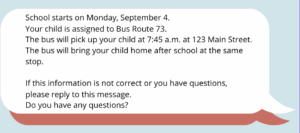
A welcome message isn’t just about schedules. It’s your first invitation to a connection. Many multilingual families have questions about bus routes, arrival procedures, or who to talk to — but they may not know they’re encouraged to ask.
How to make it work:
- Share clear information about start times, transportation, and arrival routines.
- Include direct contact options (phone, text, WhatsApp) so families can choose what works for them.
- Have multilingual educators follow up with a message such as: “We know you received the start-of-school information. Do you have any questions?”
Pro tip: Use friendly, open-ended questions *WITH QUESTION MARKS* to show that communication is not only allowed but welcome.
Attendance Expectations
When to send: Beginning of the year and periodically throughout
Attendance can feel stressful or unclear if families receive messages in a language they don’t understand. When expectations are explained in their home language, families feel supported rather than corrected.
How to make it work:
- Provide a simple one-pager on why attendance matters and how to report absences.
- Use visuals for common messages like “Call this number if your child is sick.”
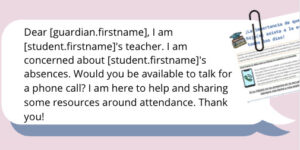
Pro tip: A translated attendance guide early in the year reduces confusion for months.
Academic Updates
When to send: Once a month, by teacher, by school, and during progress reports, report cards, teacher updates, and assessment notices
Academic updates matter deeply to families, and multilingual families are often not given updates at the same rate as their English-speaking counterparts. When updates arrive too late, families lose the chance to support their student early enough to make a meaningful difference. When information arrives only in English, families can feel disconnected from their child’s progress or unsure if they’re allowed to ask for clarification.
How to make it work:
- Translate academic documents so families don’t need to take extra steps.
- Send regular check-ins so families aren’t only informed at grading periods.
- Invite conversations or questions in families’ preferred languages. Even a short interpreted call can be incredibly helpful and prevent a longer, more complex call later.
- Keep messages encouraging, specific, and easy to respond to.
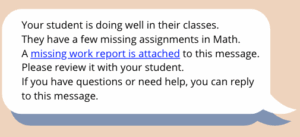
Pro tip: Use automatic PDF translation so families receive academic updates instantly in their home language.
School Events & Meetings
When to send: Before open houses, conferences, family nights
Events help families feel connected, but only when they understand what the event is for and feel confident they’ll be able to participate.
How to make it work:
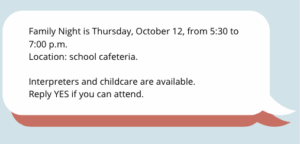
- Translate event invitations and all key details: purpose, time, place, expectations.
- Offer interpreter, childcare, and transportation options in the invite so families know support is available.
- Send reminders in families’ home languages *this single step dramatically boosts turnout*
Pro tip: When most families speak the same language, consider interpreting only for the presenter and holding the event in the shared language. Families often engage more this way.
Safety & Emergency Alerts
When to send: Closures, emergencies, urgent updates
Urgent messages must reach every family quickly. In moments of safety concern, receiving information in their home language can reduce fear and ensure families know what to do next.
How to make it work:
- Use tools that translate and deliver alerts across text, email, and phone.
- Include WhatsApp integration so families who rely on it don’t miss critical updates.
- Keep wording simple and action-focused.
- Follow up with a reassurance message once the situation is stable.
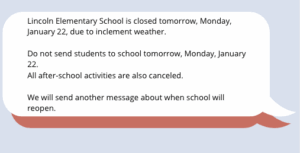
Pro tip: Test your emergency system before the school year to make sure messages deliver smoothly across text, email, and WhatsApp. Many families rely on WhatsApp as their primary channel, and confirming it works well can make a real difference during urgent situations.
Takeaway
Intentional multilingual outreach goes beyond translation. It helps families feel included, confident, and able to participate in their child’s education. When messages arrive in the language families know best, they respond sooner, ask questions, and partner more easily with teachers.
Simple, consistent communication like welcome texts, attendance reminders, and timely academic updates supports families early and keeps them engaged. ReachMyTeach makes multilingual communication easier across text, email, WhatsApp, attendance workflows, and conferences.